

Table of Contents
Establishing a Safe Environment
One of the first things a babysitter should do when arriving at a new home is to take a quick tour of the house to identify any potential hazards. This includes checking for sharp objects, small toys that could be choking hazards, and ensuring that all doors and windows are securely locked. It is also important to familiarize oneself with the location of fire extinguishers, smoke alarms, and emergency contact numbers. In addition, babysitters should establish house rules with the children, such as no running in the house or no playing with matches.
On-Demand Childcare in Your Neighborhood
Book a Sitter
First Aid Basics
It is crucial for babysitters to have a basic knowledge of first aid in case of any accidents or emergencies. This includes knowing how to perform CPR on infants and children, as well as how to treat minor cuts, burns, and bruises. Babysitters should also be aware of any allergies or medical conditions that the children may have and know how to administer any necessary medications. It is a good idea for babysitters to have a first aid kit on hand that includes bandages, antiseptic wipes, and other essential supplies.
Handling Emergencies
In the event of an emergency, it is important for babysitters to remain calm and collected. Babysitters should know the location of the nearest hospital or urgent care center and have a plan in place for how to get there quickly. It is also important to know what to do in case of a fire or natural disaster, such as a tornado or earthquake. Babysitters should have a list of emergency contact numbers readily available, including the parents’ contact information, as well as the contact information for other trusted adults who can help in an emergency.
Interacting with Children
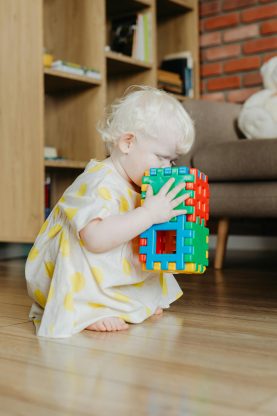
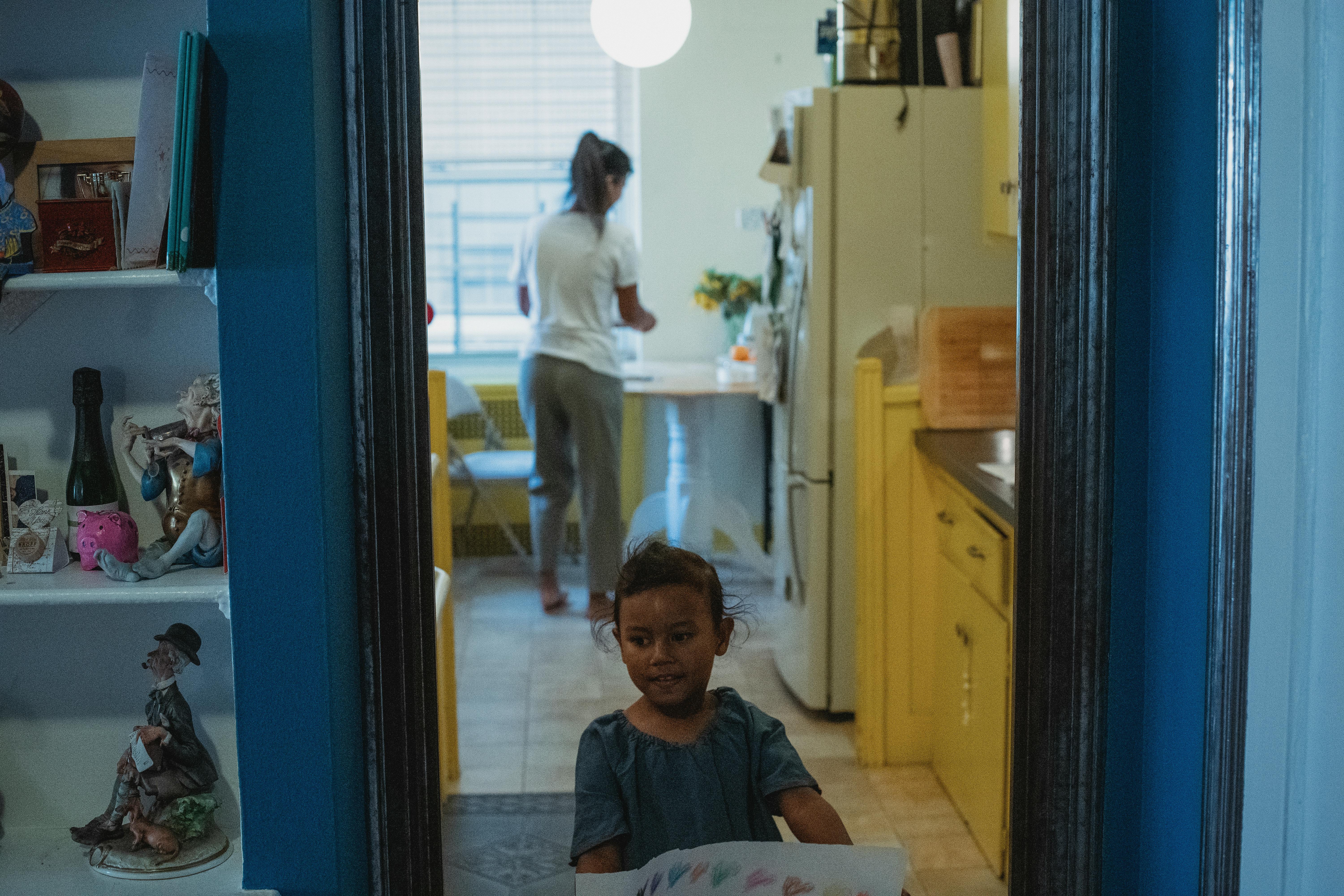
Babysitting involves more than just keeping children safe – it also requires engaging with them and keeping them entertained. Babysitters should be prepared with age-appropriate activities, games, and crafts to keep children occupied. It is important to set boundaries with the children, such as no roughhousing or jumping on furniture. Babysitters should also be attentive to the children’s needs, such as providing snacks and ensuring they stay hydrated.
Building a positive rapport with the children will make the babysitting experience more enjoyable for everyone involved.
Communicating with Parents
Effective communication with parents is essential for a successful babysitting experience. Babysitters should ask parents for important information, such as the children’s schedules, any allergies or medical conditions, and any specific rules or instructions. It is also important to keep parents informed throughout the babysitting job, such as sending them updates on how the children are doing and letting them know about any issues that arise. Lastly, babysitters should always confirm the parents’ contact information and expected return time, to ensure a smooth handoff at the end of the babysitting job.
In conclusion, babysitting can be a fun and rewarding experience, but it is important for babysitters to prioritize safety at all times. By following these top 10 safety tips, babysitters can ensure a positive and safe experience for themselves and the children they are caring for. Remember, the safety and well-being of the children should always be the top priority.